Why Checking Your Land First Can Prevent Costly System Failures
A proper site check before installing a septic system helps prevent leaks, backups, and expensive repairs. The land must handle wastewater the right way. Soil type, slope, drainage, and local rules all affect how the system will work. Skipping this step during septic tank installation can lead to early failure and health risks. A careful review of the property helps the system last longer and work as planned.
What You Need Before Starting
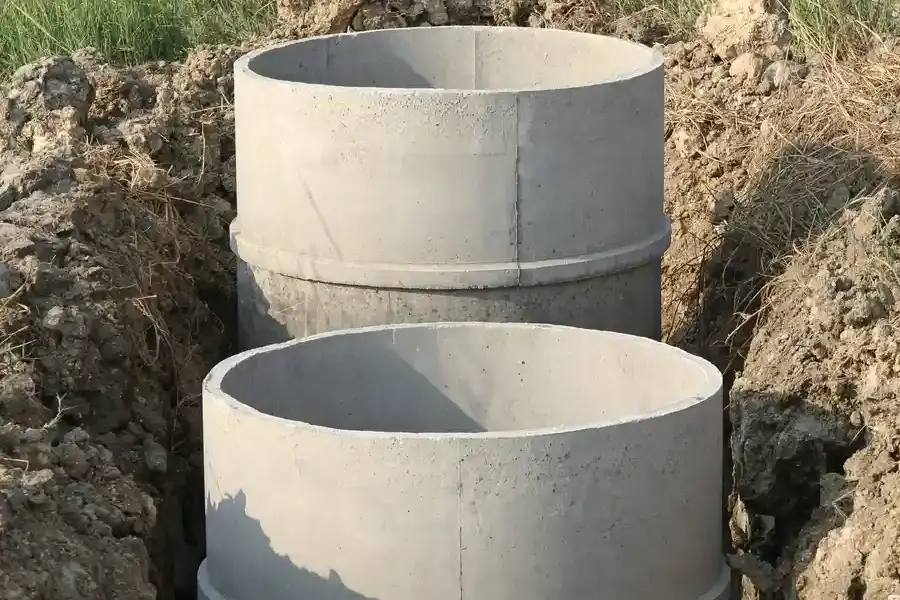
Before any septic tank installation begins, a few basic things must be reviewed. This is more than just picking a spot in the yard. The system must match the land.
- A soil test to see how fast water drains
- Property survey with clear boundary lines
- Local permit requirements
- Size of the home and number of bedrooms
- Distance from wells, driveways, and property lines
For example, sandy soil drains fast. Clay soil drains slow. If the system is placed in tight clay soil without planning, wastewater can rise to the surface. That can create odors and soggy areas in the yard.
Step-by-Step Site Evaluation Process
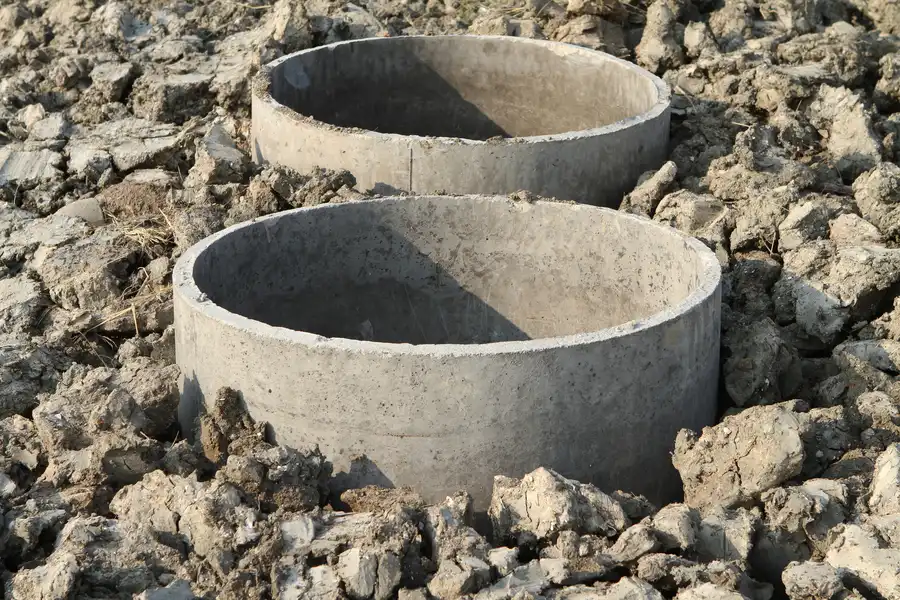
A proper site review follows a clear process. Each step matters.
- Soil testing: A professional digs small test holes. They check soil layers and how water moves through them.
- Percolation test: Water is poured into the soil. This shows how long it takes to drain.
- Slope measurement: The land is checked for steep areas. Too much slope can cause runoff problems.
- Water table check: The depth of groundwater is measured. The system must sit above this level.
- Layout planning: The tank and drain field are placed in safe, approved spots.
- Permit approval: Local officials review and approve the plan.
Each of these steps protects your home and yard. Together, they help create a system that works for many years.
Common Mistakes to Avoid
Many problems start when people skip or rush the site review. Here are common mistakes:
- Installing without a soil test
- Placing the drain field too close to a water source
- Ignoring seasonal high water tables
- Not planning for future driveway or building projects
- Choosing the lowest price over proper planning
For instance, some homeowners pick a spot that looks dry in summer. But in spring, melting snow raises the groundwater. Without checking seasonal changes, the septic system can flood.
When to Call a Professional
Septic tank installation is not a simple weekend project. It involves heavy equipment, strict codes, and health rules. A trained professional knows how to read soil conditions and follow local laws.
You should call an expert if:
- You are building a new home
- You are replacing an old septic system
- Your yard stays wet for long periods
- Your property has uneven or rocky land
- Your system failed inspection
A proper site review can also uncover hidden issues. Large tree roots, buried debris, or shallow bedrock can all affect system design. Finding these early helps avoid digging everything up later.
Why Proper Planning Protects Your Investment
A septic system is a long-term investment. When done right, it can last 20 to 30 years. When done wrong, it can fail in just a few years. Repairing a failed drain field often costs much more than doing the site evaluation at the start.
Good planning also protects your health. Wastewater carries bacteria and germs. If it does not filter through soil properly, it can contaminate wells or nearby water sources. That puts families and neighbors at risk.
Proper evaluation supports the entire septic tank installation process. It guides the size of the tank, the length of drain lines, and the right system type for the property. Every yard is different. What works next door may not work on your land.
Get Expert Help Before You Break Ground
If you are planning septic tank installation in Miami Gardens, FL, we can help you start the right way. At Asap Statewide Septic by Dwayne, we perform detailed site checks and handle the full installation process with care. We focus on doing the job right from day one so you avoid future problems. Call us at (786) 808-7910 to schedule an evaluation and talk about your property needs.