Warning Signs Your Septic System Is Failing and Needs Expert Attention
If your yard is soggy, your drains are slow, or you smell sewage outside, your drain field may be in trouble. These are common signs that the soil under your septic system is no longer treating wastewater the right way. When this happens, drain field repair may be needed to stop damage and protect your home.
Common Symptoms Homeowners Notice
Most drain field problems start small. You might not notice them at first. Over time, the signs become harder to ignore.
- Standing water near the drain field area
- Bright green grass in one section of the yard
- Slow sinks, tubs, or toilets
- Gurgling sounds in the plumbing
- Strong sewage smells outside
- Wastewater backing up into the home
If you see one or more of these signs, your system may not be filtering waste properly. Acting early can prevent bigger problems.
Likely Causes of Drain Field Failure
Your septic system depends on good soil drainage. Wastewater flows from the tank into the drain field, where it spreads through pipes and filters through soil. When something blocks or overloads this process, trouble starts.
Common causes include:
- Too much water use in the home
- Lack of regular septic tank pumping
- Heavy vehicles driving over the area
- Tree roots growing into pipes
- Clogged or crushed distribution lines
- Old age and worn-out components
If the septic tank is not pumped on schedule, solid waste can move into the drain field. That waste clogs the soil. Once the soil is packed with solids, it cannot absorb water well. This often leads to full drain field repair rather than a simple fix.
What to Check First
Before assuming the worst, take a few simple steps.
- Check when your septic tank was last pumped.
- Walk the yard and look for wet or sunken spots.
- Notice any new smells near the drain field.
- Pay attention to changes in drain speed indoors.
Sometimes the issue is a full tank, not a failed field. Pumping the tank may solve the problem if caught early. But if symptoms continue after pumping, the drain field likely has damage or clogs.
Safe Fixes Vs. Professional Repairs
There are a few safe steps homeowners can take. You can reduce water use, spread laundry loads across the week, and fix leaking faucets. These actions lower stress on the system.
However, most drain field repair work is not a DIY project. Repair may involve:
- Replacing damaged pipes
- Jetting clogged lines
- Adding new soil treatment areas
- Installing a new distribution box
- Rebuilding part of the septic system
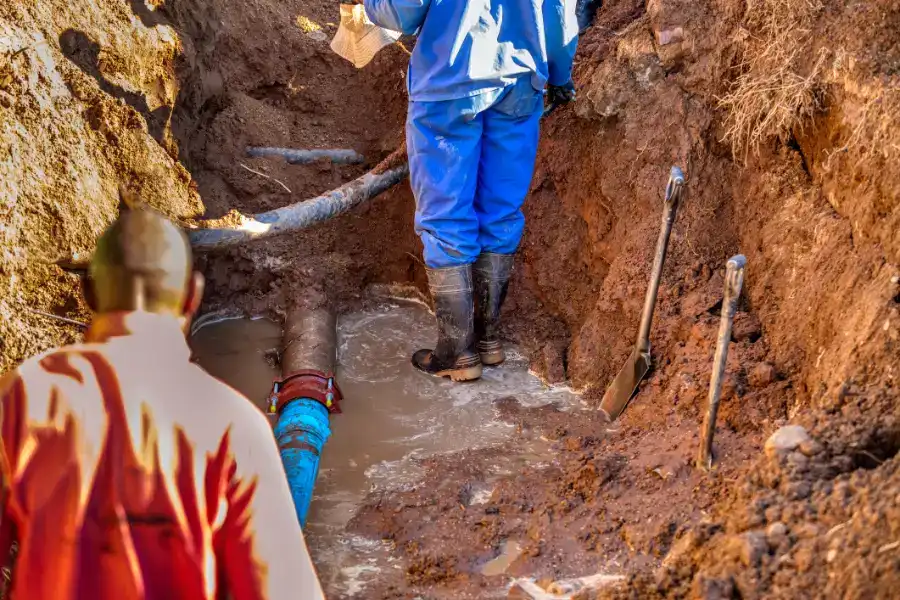
This type of work requires heavy equipment and proper permits. Mistakes can contaminate groundwater or damage your property. A trained technician can inspect the field, test the soil, and recommend the right solution.
How to Prevent Future Problems
Prevention starts with good habits. A healthy septic system can last many years with proper care.
- Pump your septic tank every 3 to 5 years
- Keep cars and heavy equipment off the drain field
- Do not plant trees near the system
- Fix plumbing leaks right away
- Spread out water-heavy chores
Regular inspections also help. A professional can spot early signs of drain field failure before major excavation is needed. If your home relies on a septic system, routine service protects both your yard and your plumbing.
When to Call for Professional Help
If sewage backs up into your home, call for help right away. If your yard stays wet for days without rain, that is another clear warning. Strong odors that do not fade also point to drain field trouble.
Drain field repair is not something to delay. Waiting too long can lead to full system replacement. It can also create health risks for your family and neighbors. Getting a prompt inspection gives you clear answers and options.
Speak With a Local Septic Professional
If you are seeing signs of drain field failure in Miami Gardens, FL, it is smart to schedule an inspection before the issue gets worse. At Asap Statewide Septic by Dwayne, we handle drain field repair and complete septic system services for homes like yours. We use the right tools to find the source of the problem and fix it safely. Call us today at (786) 808-7910 to set up an appointment and protect your property.