How Fixing the Soil Absorption Area Restores Proper Wastewater Flow
Drain field repair plays a major part in septic system recovery because the drain field is where wastewater finishes its treatment. When this area fails, water has nowhere to go. Fixing damaged pipes, clogged soil, or broken lines allows the system to drain and filter waste again. Without a working drain field, the entire septic setup can back up into your yard or home.
Quick Diagnosis of a Failing Septic System
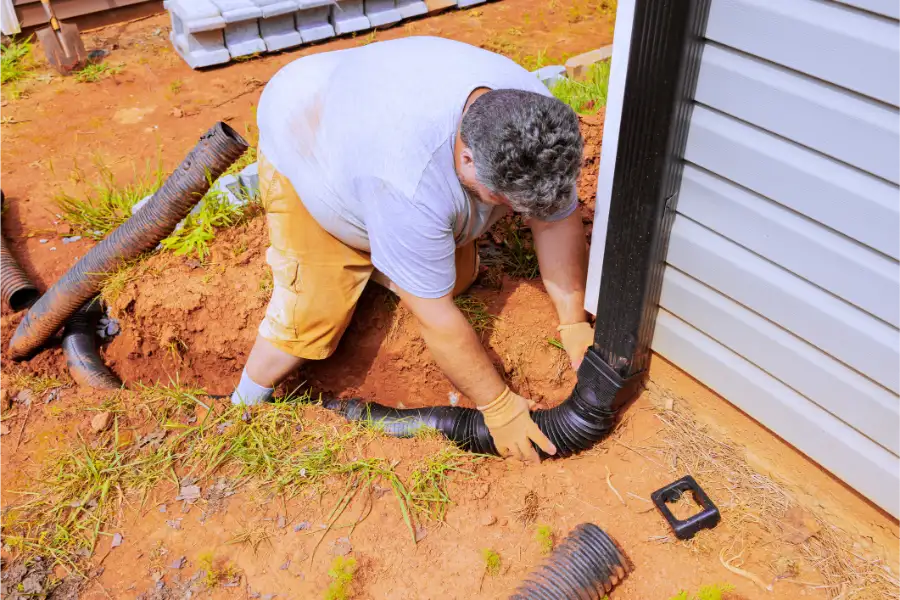
If your septic system is slow, backing up, or leaving wet spots in the yard, the drain field may be the reason. The tank might still hold waste, but the water cannot move into the soil the way it should. In many cases, septic problems are not just about the tank. The soil absorption area is just as important.
Common Symptoms of Drain Field Problems
Many homeowners notice simple signs before full failure happens. Watch for these red flags:
- Soggy or spongy ground above the drain field
- Strong sewage smells outside
- Slow drains throughout the house
- Gurgling sounds in toilets or sinks
- Standing water after light rain
If more than one of these signs shows up, the drain field may not be absorbing water correctly.
Likely Causes of Damage
Drain fields can fail for several reasons. Age is one common factor. Over time, soil becomes compacted or clogged with waste particles. Heavy rain can also flood the area and stop proper drainage. Parking cars or placing heavy objects on top of the field can crush underground pipes.
Another issue comes from poor septic habits. Flushing wipes, grease, or harsh chemicals can upset the balance inside the tank. When solids move into the drain field, they clog small soil openings. That blocks proper filtering and leads to surface pooling.
What to Check First
Before jumping into large repairs, start with a few simple checks:
- Have the septic tank inspected and pumped if needed.
- Check for signs of pipe damage or root intrusion.
- Look for standing water or strong odors above the field.
- Reduce household water use for a few days.
Sometimes a full tank is the only issue. In other cases, the drain field needs direct repair to restore flow.
Safe Fixes Versus Professional Repairs
There are small steps homeowners can take safely. Limiting water use helps relieve pressure on the system. Redirecting roof drains away from the area can also prevent oversaturation. Keeping vehicles and heavy equipment off the surface protects buried lines.
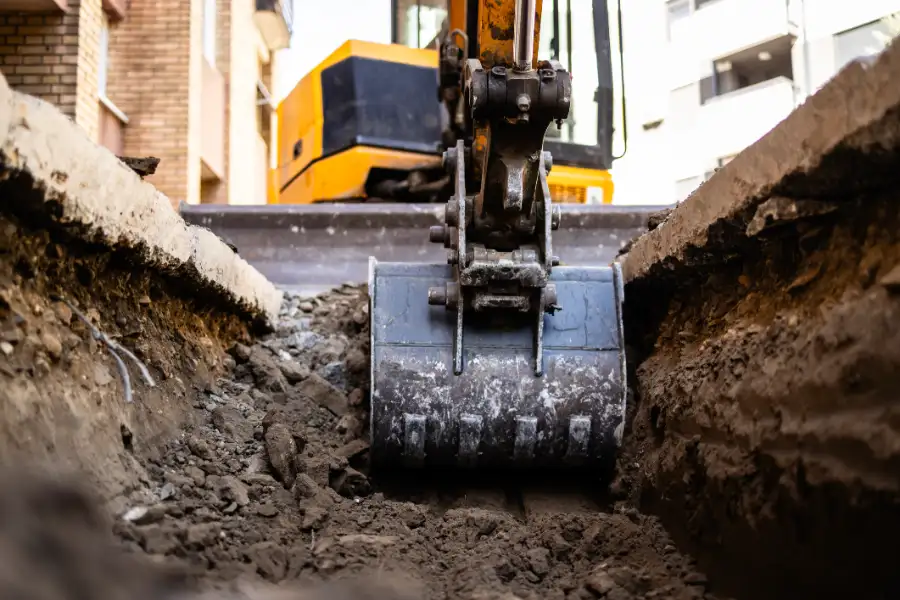
However, true drain field repair often calls for trained professionals. This work may include replacing broken pipes, clearing blockages, improving soil drainage, or installing new distribution lines. In severe cases, parts of the field may need replacement.
This type of septic system service requires proper tools and knowledge of local codes. Mistakes can lead to contamination, property damage, or repeated failure.
Prevention Tips to Protect Your Drain Field
After repairs are complete, good habits help prevent future trouble. Follow these simple tips:
- Pump your septic tank on a regular schedule.
- Spread out laundry loads during the week.
- Avoid flushing wipes, grease, or non-biodegradable waste.
- Keep trees and shrubs away from the drain field.
- Direct surface water away from the area.
Small daily choices can extend the life of your system and reduce the risk of another failure.
When to Call for Expert Help
Call a professional if sewage backs up into your home, if strong odors remain after pumping, or if wet spots continue to grow. Drain field issues rarely fix themselves. Waiting too long can increase repair costs and create health risks for your family.
If you live in Miami Gardens, FL and notice signs of system failure, fast action makes a big difference. A proper inspection can pinpoint whether the problem is in the tank, the lines, or the drain field itself.
Get Reliable Septic System Support
At Asap Statewide Septic by Dwayne, we provide trusted help for homeowners dealing with failing septic systems. If your property in Miami Gardens, FL is showing signs of drain field trouble, we can inspect the issue and explain clear next steps. Call us at (786) 808-7910 to schedule service and let us help restore safe, healthy wastewater flow to your home.