
A Simple Walkthrough of the Visit From Start to Finish
A septic tank pumping appointment is usually quick, simple, and much less stressful than most people expect. During the visit, a technician finds your tank, opens the access lids, removes the built-up waste and sludge, checks key parts of the system, and then closes everything securely. Most appointments take one to two hours, depending on the size of the tank and how full it is.
Quick Answer: What Happens During the Visit
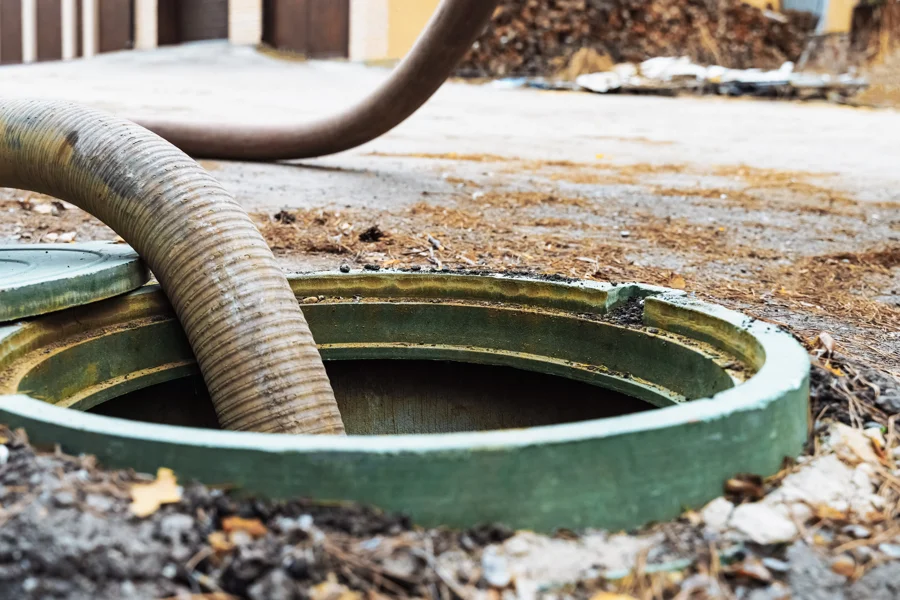
When you schedule septic tank pumping, a truck with a large vacuum tank arrives at your home. The technician locates your septic tank, removes the lid, and uses a hose to pump out the solid waste, liquids, and sludge inside. Once the tank is empty, they may inspect the tank walls, baffles, and filters. After that, the lids are put back in place, and the area is cleaned up.
This service helps keep your system working well and prevents backups into your home or yard.
What You Should Do Before the Appointment
You do not need to do much to get ready, but a few small steps can help the visit go smoothly.
- Clear vehicles away from the driveway.
- Move pets to a safe, secure area.
- Unlock gates for easy access to the yard.
- Mark the tank location if you know where it is.
- Avoid heavy water use the day of the visit.
If you are not sure where your tank is located, the technician can usually find it. Still, having past records or a sketch of your system can save time.
Step-by-Step: How Septic Tank Pumping Works
Here is what typically happens during a standard septic tank pumping appointment:
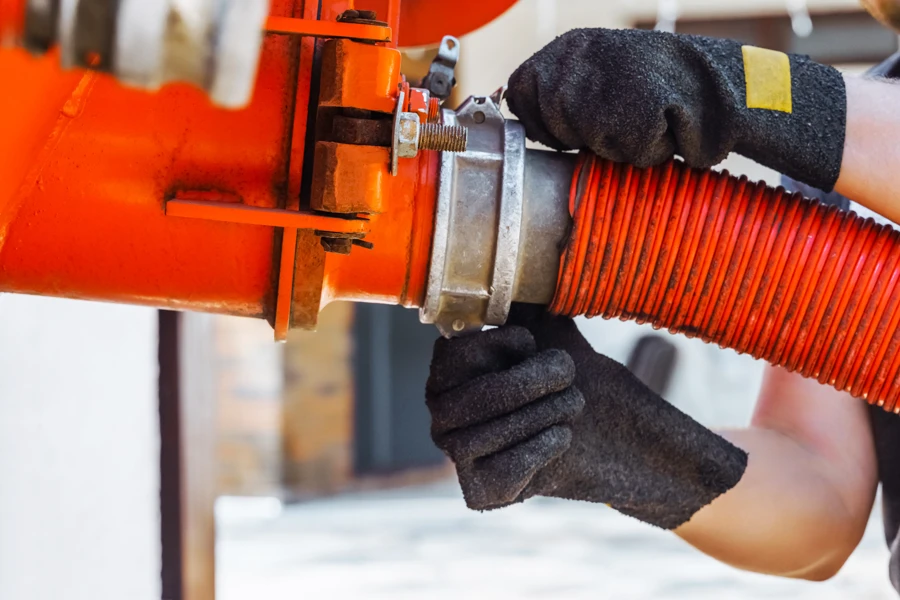
- The technician parks the vacuum truck as close to the tank as possible.
- The tank lids are uncovered and carefully removed.
- The inside of the tank is checked to measure waste levels.
- A large hose is lowered into the tank.
- The vacuum system pumps out liquids, sludge, and floating scum.
- The technician may rinse the inside to remove leftover buildup.
- Key parts like baffles and filters are checked for damage or clogs.
- The lids are secured back in place.
Some mild odors are normal during pumping. These smells usually fade quickly once the lids are closed.
Common Mistakes to Avoid
Many septic problems start with simple mistakes. Here are a few things homeowners should avoid before and after service:
- Do not flush wipes, even if labeled flushable.
- Do not pour grease or oil down drains.
- Do not skip regular pumping appointments.
- Do not drive heavy vehicles over the tank area.
Waiting too long between services can cause solids to move into the drain field. That can lead to slow drains, bad smells, or costly repairs.
When You Should Call a Professional
Most homes need septic tank pumping every three to five years. However, some households need it more often. Larger families, smaller tanks, and heavy water use can fill a tank faster.
You should schedule service if you notice:
- Slow drains throughout the house
- Gurgling sounds in pipes
- Sewage odors indoors or outside
- Wet spots near the drain field
If sewage backs up into your home, call for help right away. Fast action can reduce damage and cleanup costs.
Why Regular Service Matters
Your septic system works every day, even when you do not think about it. Solid waste settles at the bottom of the tank over time. If it builds up too much, it can block the outlet pipe and push waste toward the drain field.
Routine septic tank pumping removes that buildup. This simple step can extend the life of your system and help you avoid major repairs. It also protects your yard and local groundwater from contamination.
Schedule Your Next Service
If you live in Miami Gardens, FL and need help with your system, we are ready to assist. At Asap Statewide Septic by Dwayne, we handle septic tank pumping with care and respect for your property. We take the time to answer questions and explain what we find. If it has been a few years since your last service, call us at (786) 808-7910 to set up an appointment. Our team is here to keep your system running safely and smoothly.